















































Message Received: Gen Z Is Disconnected—and Paying Attention
Published: June 3, 2025
Hi Friends,
From disillusioned young voters to the rise of independent media, it’s a noisy and fragmented landscape. We're seeing shifts that will reshape how trust is built and how advocacy must adapt to stay effective. Below are a few things we’re tracking and what they mean for communicators trying to break through.
From the Field: Gen Z Is Disconnected—and Paying Attention
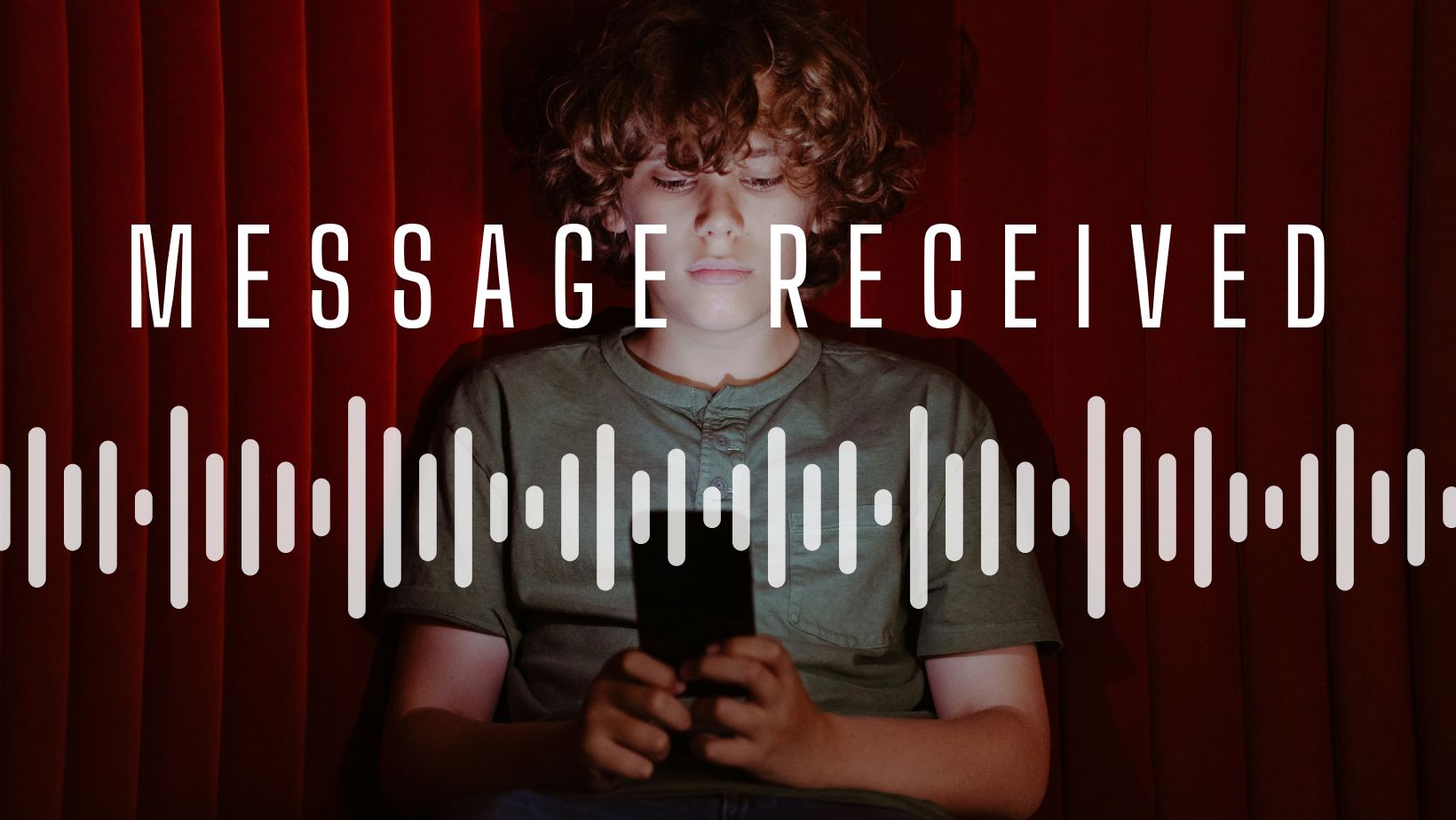
A poll from the Harvard Kennedy School’s Institute of Politics offers a sobering snapshot of how disconnected many young people feel from politics, institutions, and each other.
What we’re seeing:
- Only 19% trust the federal government to act in their best interest
- Disillusionment is widespread, across parties and institutions
- Just 17% feel a strong connection to peers
- Over 40% say they’re barely getting by financially
- Mental health is in crisis: 2 in 5 report feeling depressed or hopeless multiple times a week
What this means for communicators and advocates:
- Speak plainly. No jargon, no spin
- Use relatable messengers, not just traditional leaders
- Show up on the platforms young people actually use, with content that feels relevant
- Acknowledge their reality rather than trying to reframe it
- Make it tangible. Abstract messages won’t land
- Keep testing. Let the data guide what resonates and what doesn’t
The bottom line: Gen Z won’t be moved by a single message. Rebuilding trust will take consistency, empathy, and real listening.
Toolbox: Substack 101 for Comms Pros
Substack isn’t just a newsletter platform—it’s an increasingly influential media ecosystem of highly engaged readers. If it’s not in your earned media strategy, it should be.
What is Substack?
Substack hosts independent newsletters, many written by journalists, analysts, and niche experts. Some are small and loyal. Others rival mainstream outlets in reach and influence. Because it’s opt-in, readers tend to be more engaged, and the direct tone of voice helps build trust and familiarity.
How to find relevant ones:
- Search by topic or beat (e.g., “climate policy,” “Latino politics,” “tech regulation”).
- Use the Substack Leaderboards to see top-performing newsletters by category.
- Check which Substacks are being reposted or referenced by journalists and influencers.
- Check the “Recommendations” section at the bottom of a relevant Substack to find similar profiles
- Pro tip: check how recently and frequently the author posts before reaching out
How to pitch them:
- Read before you pitch. Each writer has a unique tone, POV, audience, and medium.
- Offer something valuable to them and their audience (scoop, op-ed, resource, expert POV, data).
- Look for pitch preferences in the author bio. Reply to the newsletter email, message them on Substack, or try firstname@substack.com if no guidance is listed.
- Suggest collaboration if your client has an existing platform (interview, guest post, Q&A)
Takeaway: Substack voices are increasingly shaping the conversations around politics, policy, and public life. If you're not tracking them, you may be missing key parts of the media landscape.
Resource: What Counts as News in 2025?
Pew’s latest research explores how Americans define “news” today. Read the full report →
A few key findings:
- Community-based stories and real-life solutions stand out.
- The line between news and opinion is increasingly unclear.
- Trust is fragile, especially when coverage feels out of touch.
For those trying to break through the noise, focus on clarity, credibility, and what actually matters to your audience.
Firm News
You're Invited: Crisis Communications Preparedness for Foundations
Thursday, June 5 at 9:00 am PT
We are living in unprecedented times. Attacks on funders are growing in both frequency and intensity. While each of us is considering our values and making strategic decisions about when and how to speak out, one thing is clear: everyone needs to be prepared.
Join us for an invite-only webinar designed for foundations navigating today’s political landscape. This session will cover the core principles of crisis communications, key protocols every foundation should have in place, and practical guidance for leaders on internal and external messaging during high-stakes moments.
Shoot us an email to receive the Zoom link.
Until next time,
We’re always happy to trade notes or ideas. Let us know what you’re working on—or wrestling with. And thanks, as always, for being in our corner.
—Bryson Gillette